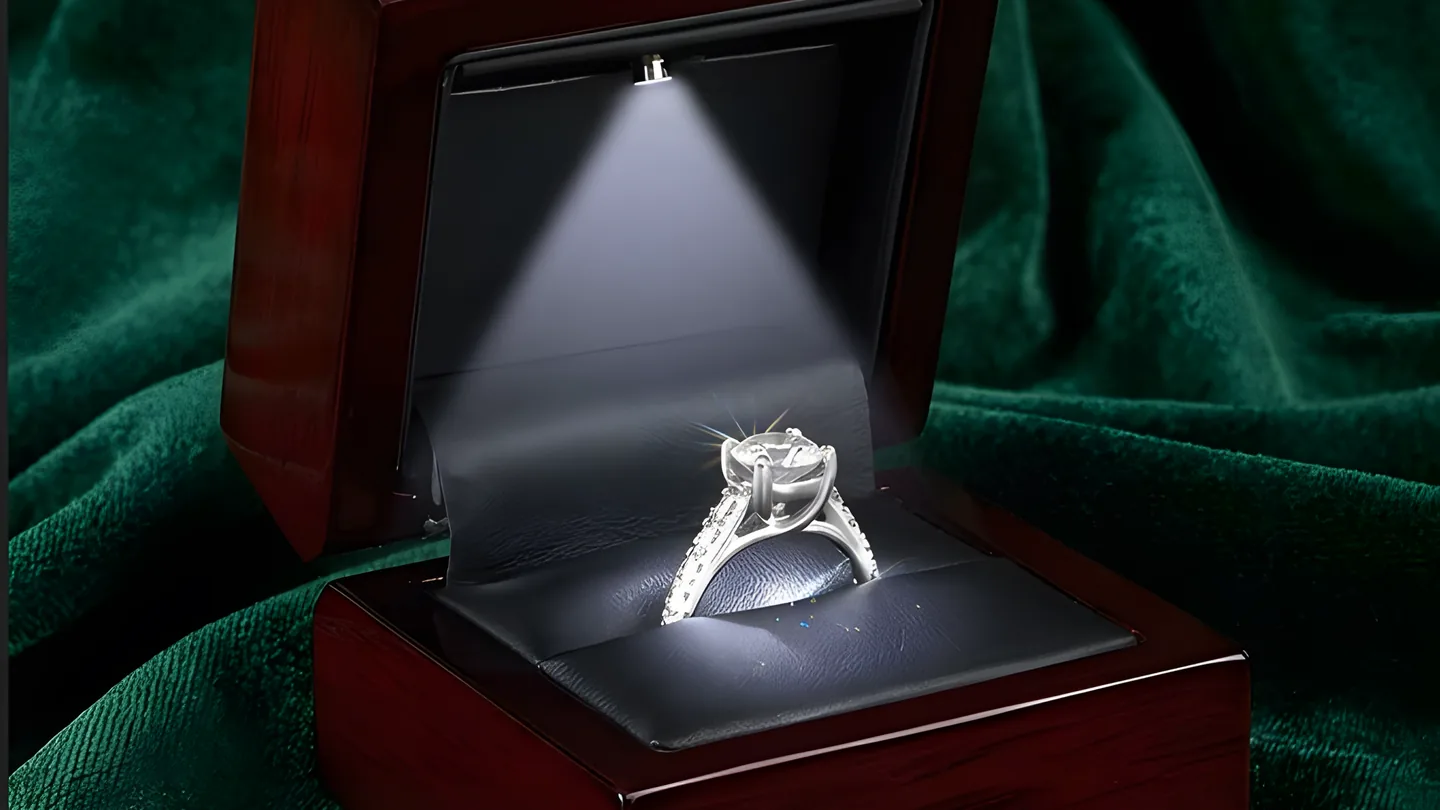
Ten houses, what each one is actually known for, and where the premium stops being about materials.
At the top of this market, materials stop explaining the price. Two rings can hold the same carat weight of the same grade in the same metal and differ by a factor of five. What you are buying above that point is design authorship, workshop capability, service and a name that holds value on resale.
That is a real thing to buy and it is also the easiest place in jewelry to overpay. This list says what each house is genuinely known for, so the premium is at least legible.
How this list was built
A house is here because it has a recognisable design language of its own and the workshop capability to execute it — not because it is expensive. Plenty of expensive jewelry is neither.
We note where a signature piece carries the reputation, because in this tier a single design often is the brand.
If you want the materials without the premium, the accessible fine jewelry brands at the end of this page make the same metal and stones without the name.
Cartier
The strongest signature designs in the category
Solid gold and platinum · in-house workshops
The Love bracelet, the Juste un Clou and the Panthère are among the few jewelry designs recognisable without a logo, which is the whole argument for the house.
Resale holds better than almost anything else at this level, which softens the premium considerably if you ever sell. Servicing and authentication run through the maison, and that matters more than buyers expect.
Alhambra is the reason most people arrive here — a four-leaf clover motif in mother-of-pearl, onyx or malachite that has stayed in production for decades and spawned an entire imitation industry.
The Mystery Setting work in the high jewelry collections is genuine technical achievement rather than marketing. That is where the workshop's reputation actually comes from.
Unusual at this level in that the entry range — sterling silver pendants and bracelets — is affordable while carrying the full name, which is why it dominates gift searches.
The T, HardWear and Elsa Peretti lines are the recognisable modern designs, and the setting work on engagement rings is the historical basis for the reputation.
Where French houses went restrained, Bulgari went bold: Serpenti's coiled forms, B.zero1's architectural spiral, and colour combinations other maisons would consider reckless.
The use of coloured hardstones alongside diamonds is the signature. If Cartier reads as classical, this reads as sculptural.
A house built on stone sourcing rather than motif. Graff cuts and sets some of the most significant diamonds that come to market, and the design serves the stone rather than the reverse.
There is no accessible entry tier here in any meaningful sense. This is the top of the diamond market and prices reflect it.
Comet, Coco Crush and the Camellia collections carry the house codes across from couture, which is a different proposition from a jeweller who happens to also sell clothes.
Strongest where the fashion vocabulary genuinely translates — quilting, pearls, the star motif. The pricing assumes you want the house as much as the piece.
Colour combinations and asymmetry that most houses would not attempt, drawn from the couture archive and the garden motifs Dior has used since the beginning.
It is the least conservative option in the luxury tier, which is precisely the reason to choose it or avoid it.
The twisted cable motif is the brand, and it is instantly identifiable at a distance — which is why searches for pieces that look like it run into the thousands every month.
Mostly sterling silver combined with 18K gold rather than solid gold throughout. That keeps prices below the European maisons while the design authorship stays distinct.
Built around Balinese metalworking traditions, with woven chain and hand-hammered surfaces that are difficult to replicate by machine.
Priced well below the European houses because the material is largely sterling rather than solid gold. You are paying for the handwork, and it is visible.
Luxury that operates outside the jewelry establishment
Sterling silver · made in Los Angeles
Heavy sterling silver, gothic cross and dagger motifs, no advertising, deliberately restricted distribution. It behaves like a streetwear house that happens to make jewelry, and prices like a maison.
The premium is almost entirely cultural rather than material — this is sterling silver, not gold. Whether that is worth it depends on how much the scarcity means to you.
Every house above sells solid gold and real stones. So do brands with a fraction of the markup, because metal and stone have market prices that no marketing budget changes.
For coloured stones in solid gold with disclosed grading, Angara does the same job. For plain solid gold everyday pieces, Ferkos. For certified diamonds, Blue Nile. None of them will give you a Cartier box, and that is the entire difference in what you are paying for.
Common questions
What counts as a high-end jewelry brand?
Solid precious metal throughout, in-house or dedicated workshops, a design language of its own, and service and authentication that outlive the sale. Price alone does not qualify a brand — plenty of expensive jewelry has none of these.
Is luxury jewelry a good investment?
Rarely, with narrow exceptions. Certain Cartier and Van Cleef & Arpels signature pieces hold value unusually well on the secondary market. Most jewelry, including expensive jewelry, resells for a fraction of retail.
Why is the same carat weight so much cheaper elsewhere?
Because above the materials you are paying for design authorship, workshop capability, service, packaging and the name. Those are real, but they are not carats. An accessible fine jewelry brand sells the same metal and stones without them.
What is the difference between fine jewelry and high jewelry?
Fine jewelry is production-scale work in precious metal with real stones. High jewelry is one-off or tiny-series pieces with exceptional stones, made by hand in a dedicated atelier, priced accordingly.
Which high-end brand holds value best?
Cartier's signature bracelets are the usual answer, with Van Cleef & Arpels Alhambra close behind. Both benefit from decades of continuous production and strong authentication, which is what a secondary market needs.