Start here
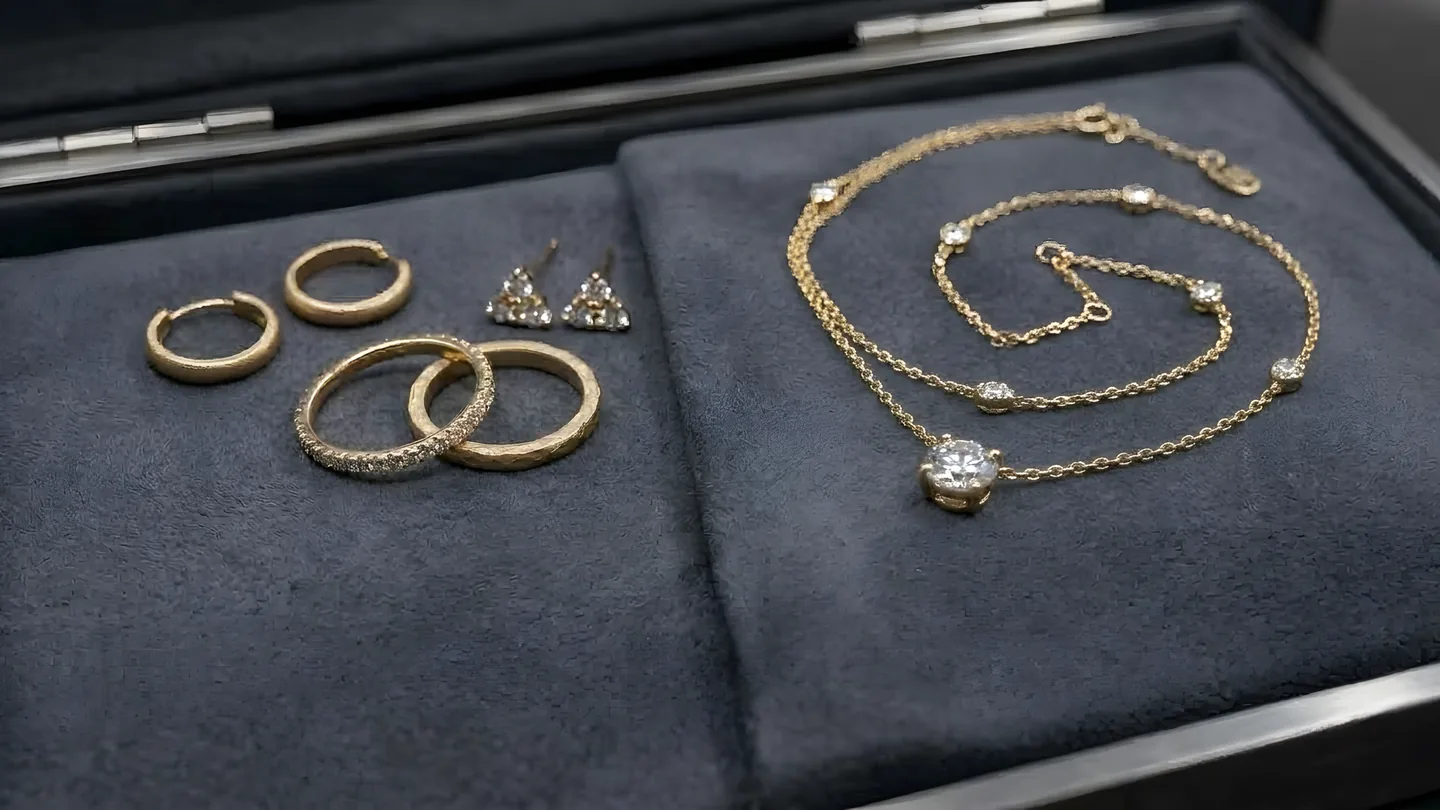
- Ferkos Fine JewelryThe clearest material position of any brand on this list: if it is on the site, it is solid gold.$150–$2,000
- AtoleaA real, established direct-to-consumer brand. Buy it for waterproof everyday wear, not as an investment in precious metal.$30–$100
- MejuriStrong solid-gold value at the entry end of fine jewelry. The vermeil range is where opinions split.$50–$1,000+
- AngaraOne of the strongest options online for coloured stones specifically. Made-to-order means long lead times — plan around them.$300–$5,000+
Ranked lists
- Best jewelry brandsTwelve brands worth knowing, each the right answer to a different question.12 brands
- High-end jewelry brandsTen houses, what each one is actually known for, and where the premium stops being about materials.10 brands
- Affordable jewelry brandsTen brands under $200, and the one distinction that decides whether cheap jewelry is worth buying.10 brands
Why a site about brands rather than products
A necklace photograph tells you nothing. Two chains that look identical online can be solid 14K gold and plated brass, priced within twenty dollars of each other, with one lasting decades and the other months. The brand is the shortcut: once you know how a company builds and what it discloses, every product page becomes readable.
So each brand profile answers the same questions in the same order — what they make, what it is made of, whether the finish survives real wear, what it costs and who it genuinely suits. No star ratings, no invented review scores, no pretending a plated piece is something else.
The four words that explain jewelry pricing
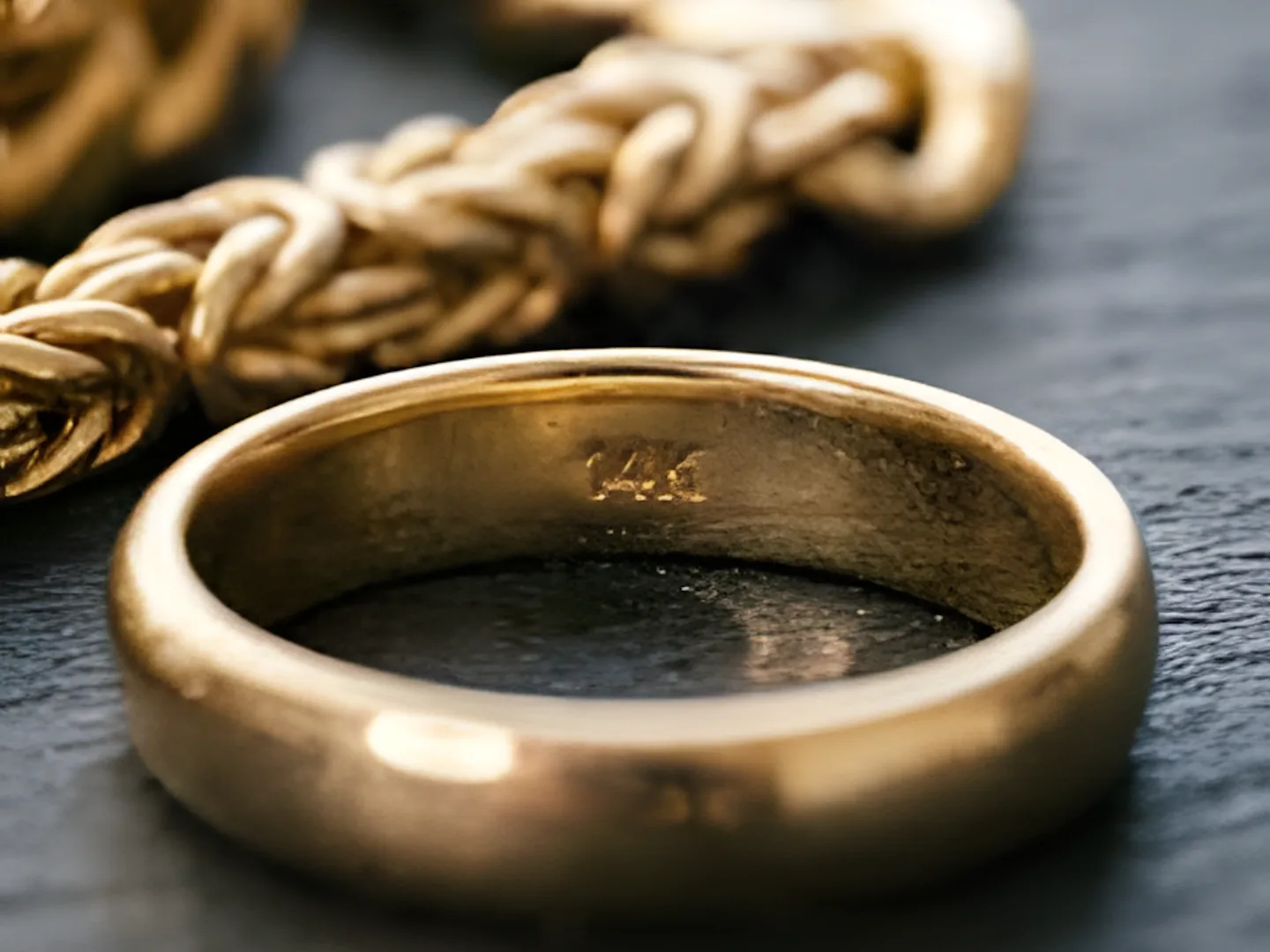
Solid gold is gold alloy all the way through. Vermeil is a thick, regulated gold layer over sterling silver. Gold filled is a bonded layer many times thicker than plating. Gold plated is a thin layer, usually over brass, with no thickness standard at all. Everything else in a product description is decoration.