Jewelry brand index
Every brand stamped with what it is actually made of, before anyone tells you it is beautiful.
Most jewelry brand pages tell you a story about craftsmanship and leave the material buried in a footnote. We put it first. Each entry states the base metal, the finish, the typical price and whether the piece survives water — then explains who it genuinely suits.
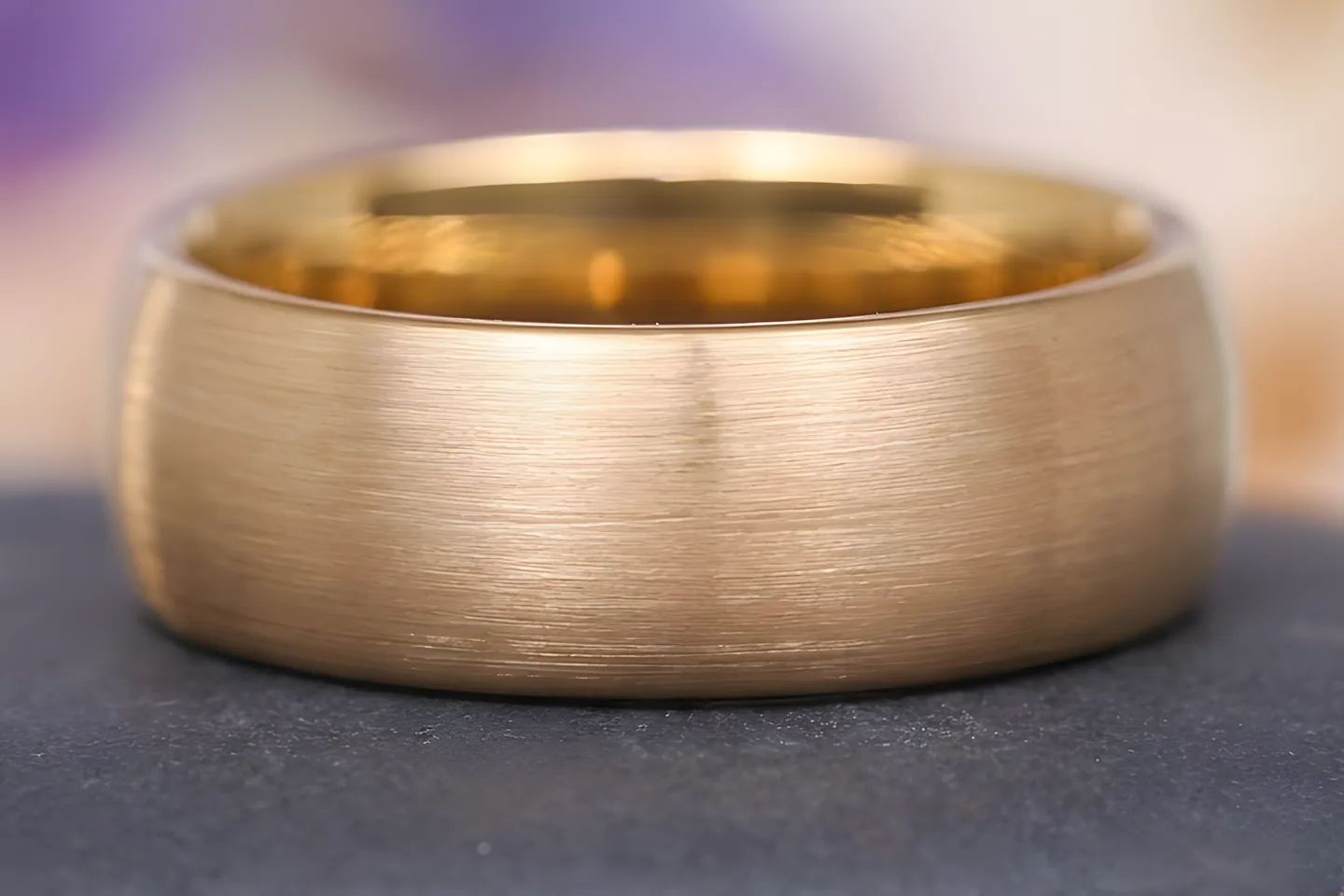
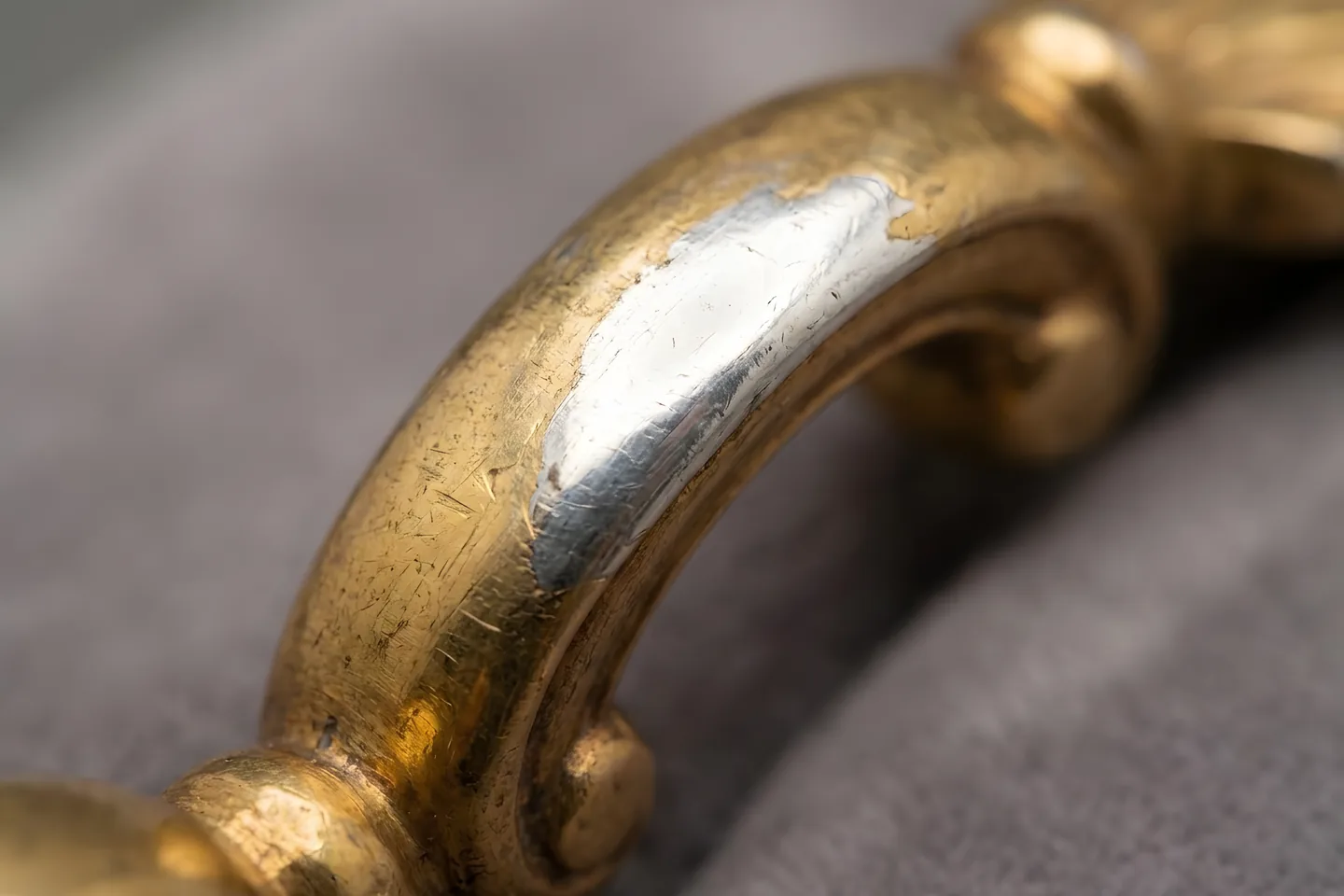
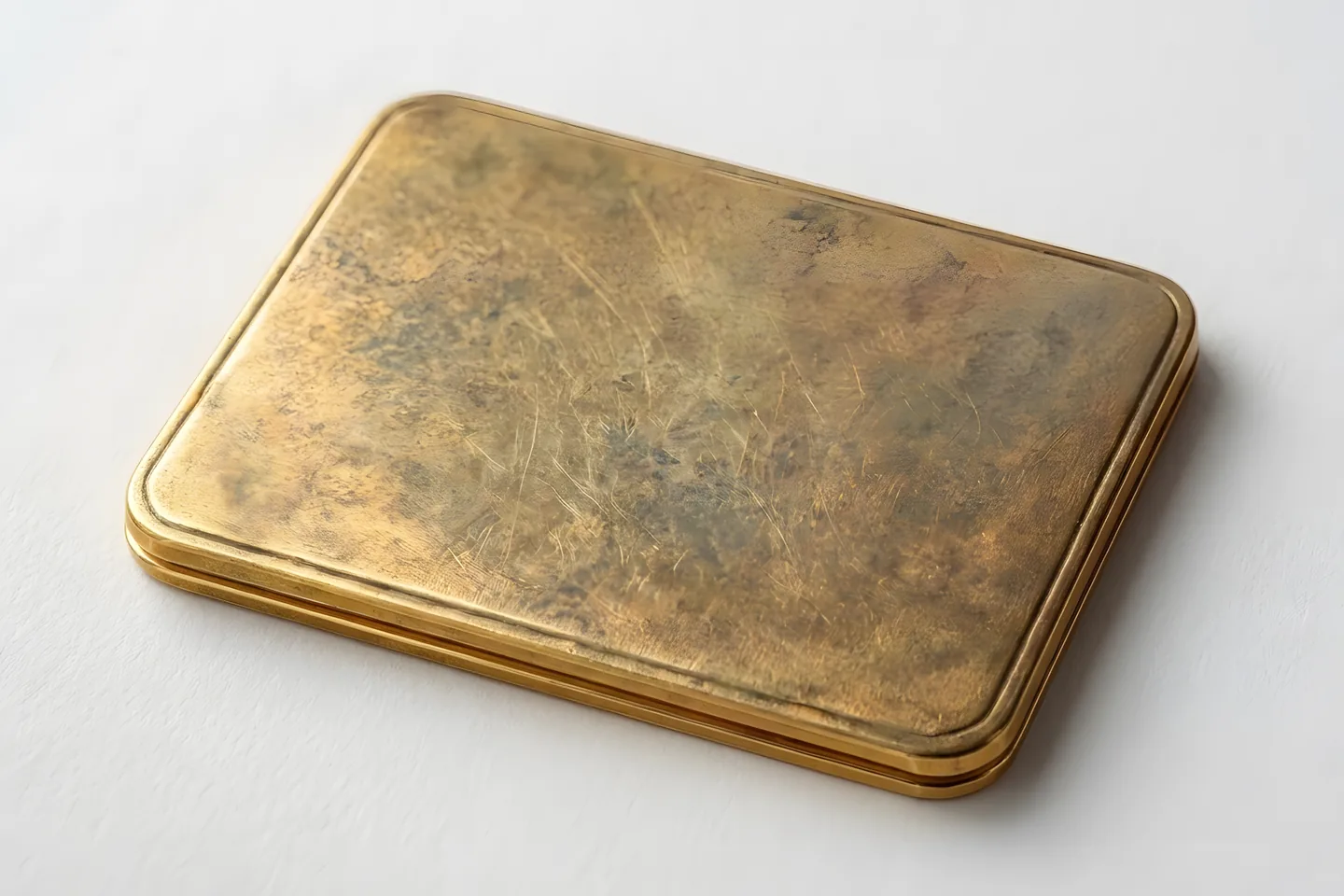
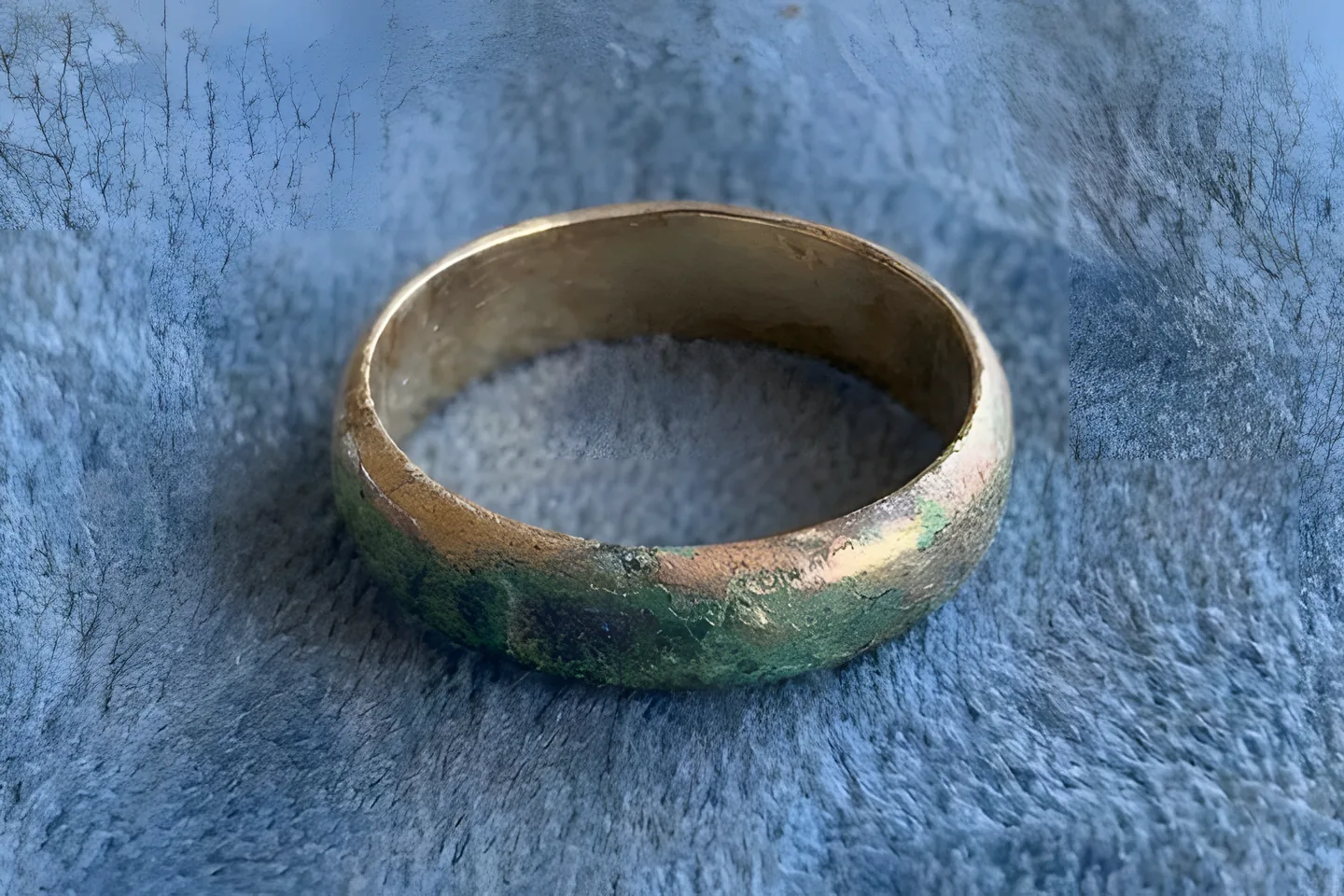
The five finishes, and how each one ages
Every brand we cover
- Ana LuisaDemi-fine jewelry with sustainability as the core argument.$40–$200
- AngaraColoured gemstone fine jewelry, made to order in solid gold.$300–$5,000+
- AtoleaOcean-inspired waterproof pieces you are meant to leave on.$30–$100
- Ferkos Fine JewelrySolid 14K gold only — no plating, no vermeil, anywhere in the catalogue.$150–$2,000
- GorjanaLaguna Beach layering jewelry with a restrained, wearable look.$45–$250
- JaxxonMen's chains built on sterling silver rather than plated base metal.$80–$400
- Kendra ScottAustin-born fashion jewelry built around cut natural stones.$50–$150
- MejuriThe brand that made fine jewelry a self-purchase rather than a gift.$50–$1,000+
- Melinda MariaBold, oversized gold-plated statement pieces from Los Angeles.$70–$300
- The GLD ShopStreetwear-adjacent men's jewelry with official sports league licensing.$50–$1,000+
How to read a jewelry brand
Four words explain most of the price differences in this industry. Solid gold means the whole piece is gold alloy — it will not wear through and it holds metal value. Gold vermeil is a thick, legally defined gold layer over sterling silver, so when it does wear you are left with a precious metal. Gold plated has no thickness standard and usually sits over brass, which is what turns fingers green once the layer thins. Gold filled is a mechanically bonded layer far thicker than plating, and is the best-value non-solid option when a brand offers it.
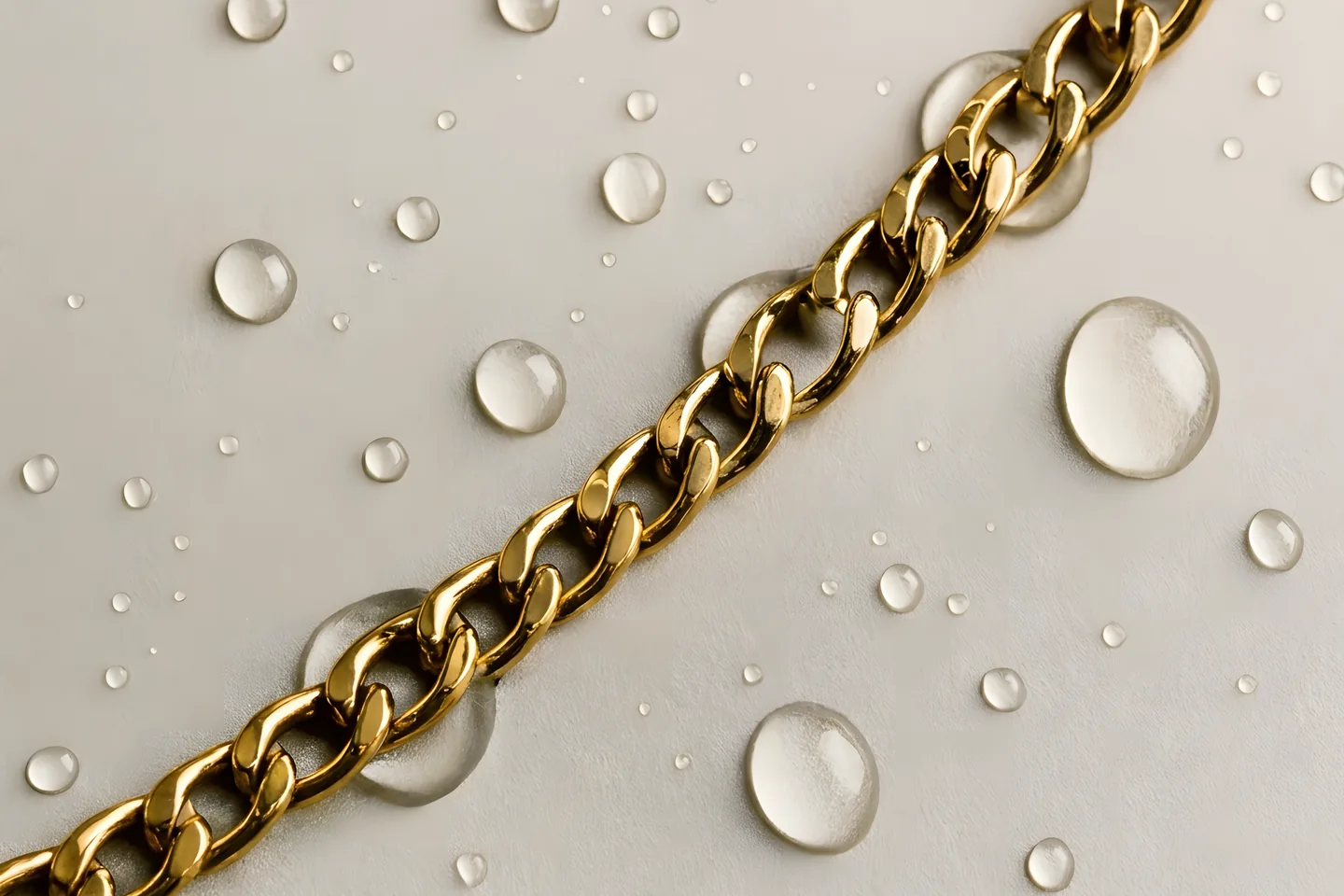
A stainless steel base with PVD plating is its own case: not precious, no resale value, but far more resistant to water than anything over brass. That is why waterproof brands almost all use it.