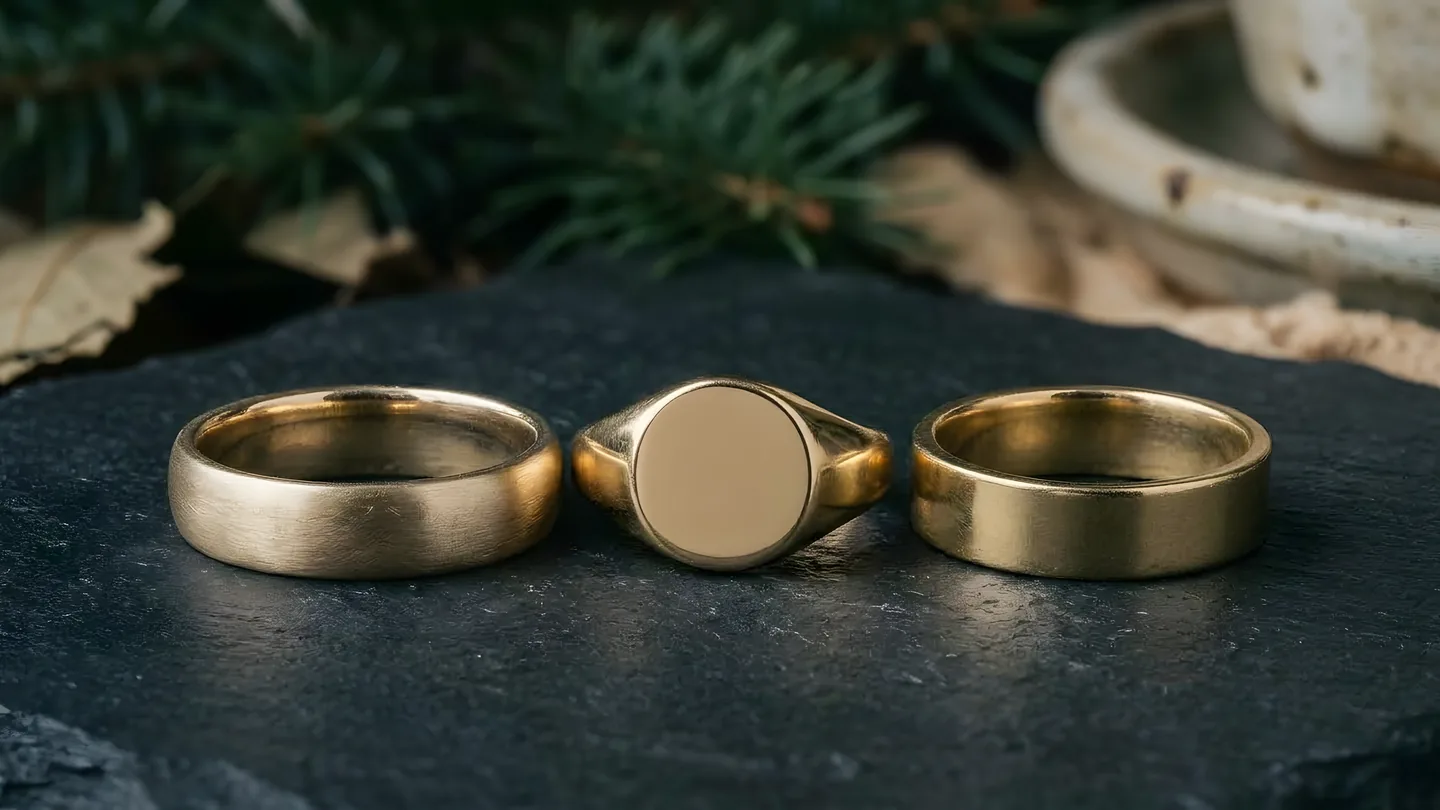
Twelve brands worth knowing, each the right answer to a different question.
There is no single best jewelry brand, and any list that claims otherwise is ranking marketing budgets. A brand that makes an excellent $80 waterproof anklet is the wrong brand for a solid gold chain, and a house that makes extraordinary high jewelry is the wrong house for something you wear to the gym.
So this list is organised by the question you are asking. Each entry states what it is made of before it says anything flattering, because that single fact explains most of the price differences in this industry.
How this list was built
Material first. Solid gold, vermeil, gold filled, plated and stainless are five different products, and we say which one a brand actually sells before ranking it against anything.
Then construction — clasps, chain gauge, stone setting. Then price against that material. Design comes last, because design is the part you can judge from a photograph and the rest is not.
No brand paid to be here, and brands with no affiliate programme are on the list on the same terms as those with one.
Ferkos Fine Jewelry
Best for solid gold at an accessible price
14K solid gold · no plated tier · $150–$2,000
The whole catalogue is solid 14K or 18K gold. There is no plated line to confuse, nothing to wear through, and no base metal waiting to react with skin once a finish thins.
The trade-off is scale: solid gold at these prices means fine gauges and small pendants. If you want something that reads across a room, a plated brand gives you more metal for the money. If you want something you stop thinking about, this is the answer.
The solid gold half of this catalogue is genuinely competitive on price for plain bands, thin chains and small diamond studs — the pieces most people want first and traditional jewellers mark up hardest.
Ignore the vermeil range unless you specifically want it. The value argument for this brand lives entirely on the solid gold side, and physical stores solve the ring-sizing problem that ruins most online fine jewelry purchases.
14K/18K gold and platinum · graded stones · $300–$5,000+
Most online fine jewellers treat sapphire and emerald as an afterthought to diamond. Here they are the catalogue, cut and set in solid gold or platinum with the grade and treatment disclosed at purchase.
Pieces are made to order, which is how the pricing stays sane and also why delivery takes longer than a stocked retailer. Read the returns terms on a customised configuration before you order one.
The aesthetic is consistent enough that pieces bought years apart still read as a set, which is the entire point of a layering brand. Clasps and chain construction sit clearly above fashion-tier jewelry.
Choose the vermeil pieces where a choice exists. Vermeil is a thick gold layer over sterling silver, so when it eventually thins you are left with a precious metal rather than reactive brass.
Recognisable design, an enormous colour range and real stone in the settings, stocked widely enough across the US that a recipient can exchange it in person. That combination is why it works as a gift when almost nothing else does.
It is plated brass under the gold, so it is not shower- or gym-safe and the finish will eventually wear. The brand also discounts constantly — there is rarely a reason to pay full price.
Built on stainless steel with PVD-applied gold rather than conventional plating, which is why it survives salt water, chlorine and daily showers where plated brass does not.
No metal value, no resale, and rings will show wear at friction points before necklaces do. Priced as a wear-it-and-forget-it piece rather than an investment, it does exactly what it promises.
Priced deliberately just under most of the demi-fine field, with more detailed published sourcing and recycled-material information than competitors bother with.
The catalogue mixes base metals, so check what each piece is before comparing prices within the brand. The stainless waterproof line is the most durable part of it.
The brand that made buying a diamond online normal, with independent grading certificates on stones and a search interface built for filtering by the four Cs rather than by mood.
You are buying a stone with a certificate rather than a designer's name, which is the correct way to buy a diamond and the reason the pricing beats a traditional showroom on comparable specifications.
The men's chain market runs on plated brass and plated steel sold under gold-sounding names. This is vermeil over sterling silver — a materially better starting point, with a solid gold tier above it.
It is still not a solid gold chain. When vermeil wears at clasp and link contact points, what shows through is sterling, which is far better than exposed brass but still a visible colour change.
Chunky links, oversized pavé hoops and wide cuffs, in a market that otherwise went minimal. Nobody makes this look in solid gold at any sane price, which is the honest case for buying plated.
The prices ask fine-jewelry money for plated brass with CZ. That is the real objection, and whether it holds depends entirely on whether you want the scale.
Plated, vermeil and solid gold tiers · $50–$1,000+
Official licensing with the NFL, NBA and MLB means team pendants and helmet pieces nobody else can legally make, alongside a large moissanite range.
Three material tiers sit under one brand name and the marketing does not distinguish them loudly. Read the material line on the product page before comparing a price against anything.
The reference point for American luxury jewelry, and the rare house whose entry pieces — sterling silver bracelets and pendants — are attainable while carrying the full weight of the name.
You pay a substantial premium over the metal and stone content. That premium buys design, service, resale recognition and the box, and whether it is worth it is a question about you rather than about the jewelry.
There is no single answer, because the brands are not competing for the same buyer. For solid gold on a budget, Ferkos. For a first fine jewelry piece, Mejuri. For coloured stones, Angara. For waterproof everyday wear, Atolea. For gifting, Kendra Scott.
What is the difference between fine, demi-fine and fashion jewelry?
Fine jewelry is solid precious metal, usually with real stones. Demi-fine is vermeil or gold filled — a substantial gold layer over a precious base. Fashion jewelry is plating over brass or steel, priced and designed to be replaced.
Which jewelry brands do not turn your skin green?
Anything solid gold, plus vermeil over sterling and stainless steel with PVD plating. Green skin comes from copper in a brass base reacting once the plating above it wears through.
Are expensive jewelry brands actually better made?
Sometimes. Above a certain point you are paying for design, service and name rather than construction, and a well-made vermeil piece can outlast a badly made gold one. Below that point, price and material track each other closely.
How do I know what a piece is made of before buying?
The product page should state it plainly — 14K solid gold, gold vermeil, gold filled, gold plated, stainless steel. If a brand only says "18K gold" without specifying solid or plated, assume plated and check further.